Stolen Fish
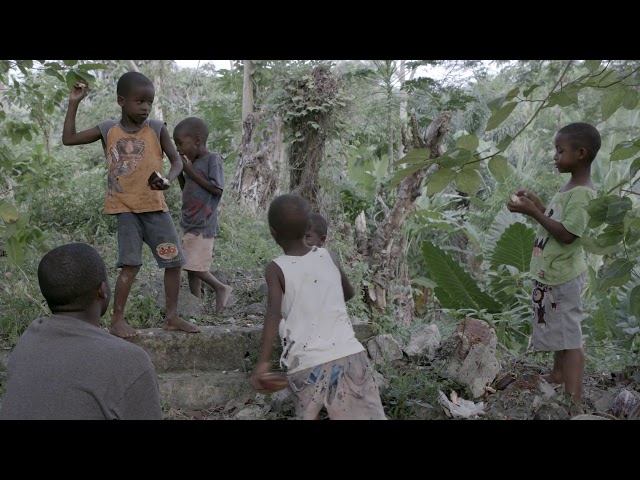
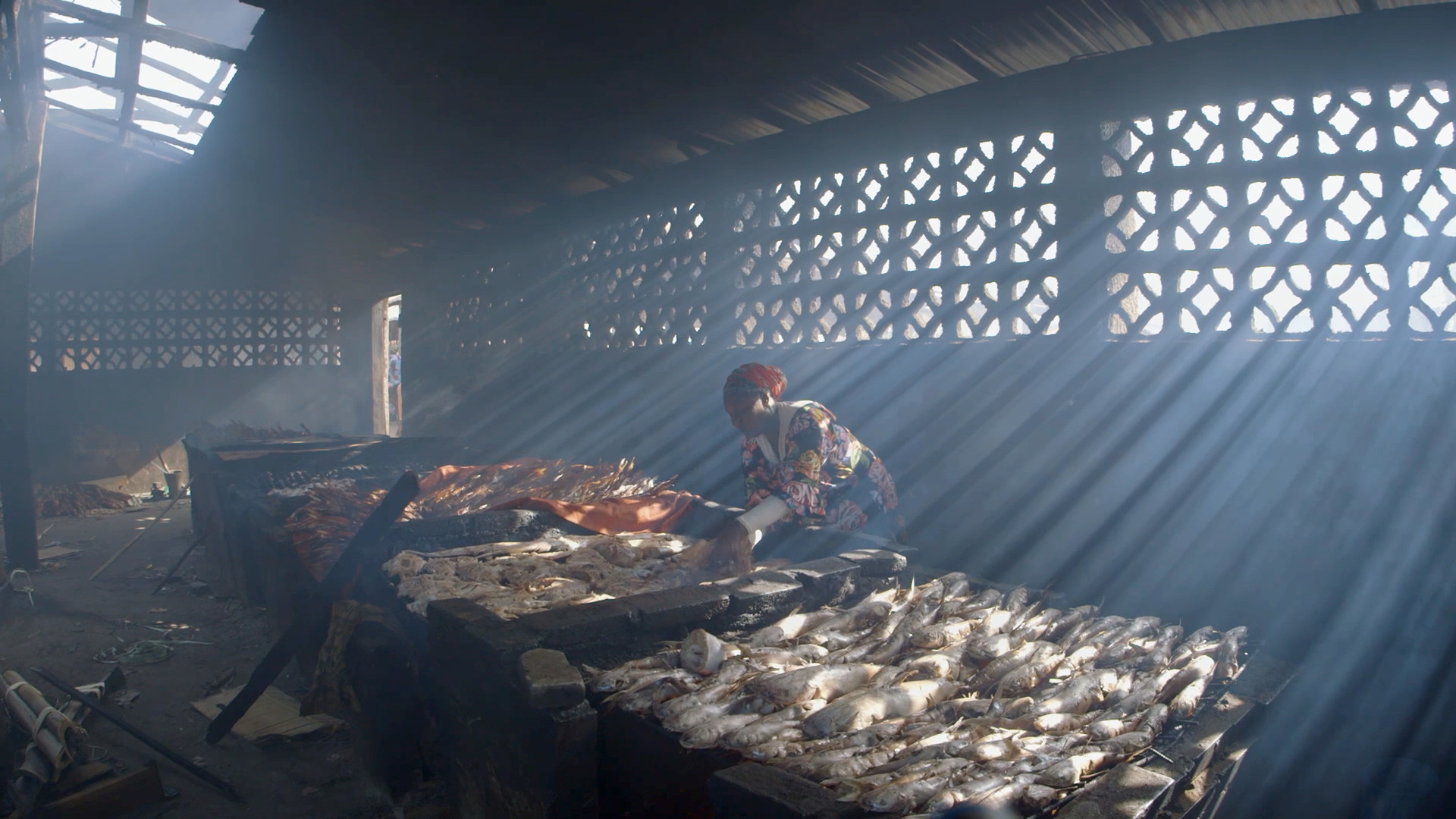
In the tiniest country of mainland Africa, The Gambia, fish is now being powered up by Chinese corporations and exported to Europe and China to feed animals in industrial farming. As a result, Gambians are being deprived of their primary source of protein and overfishing is depleting marine ecosystems. The film follows Abou, Mariama and Paul, three Gambians who share intimate stories of daily struggle, anger, hope and longing for their loved ones in the midst of difficult migration routes. The first film on Gambia’s fishmeal factories, offering a unique insight into untold drivers of migration and the role played by women in new economic systems.

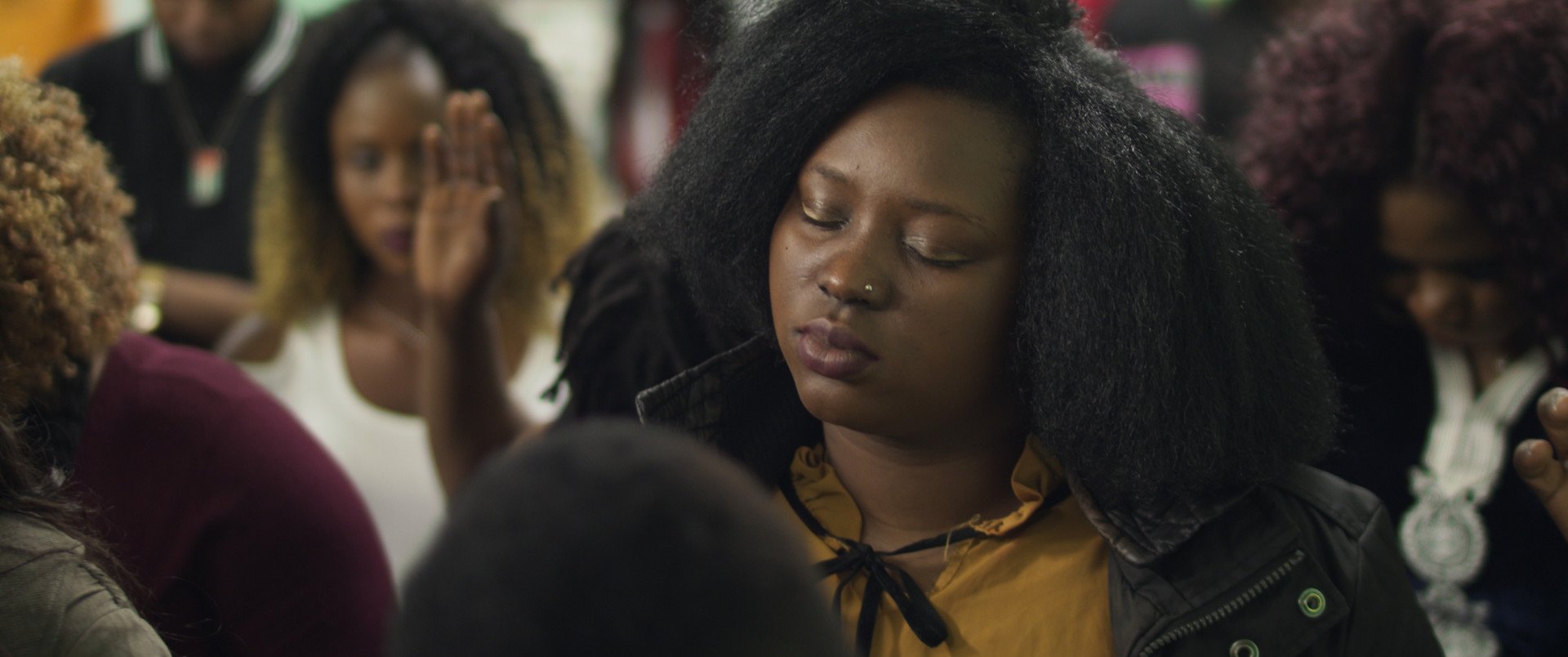
Germany is a trampoline
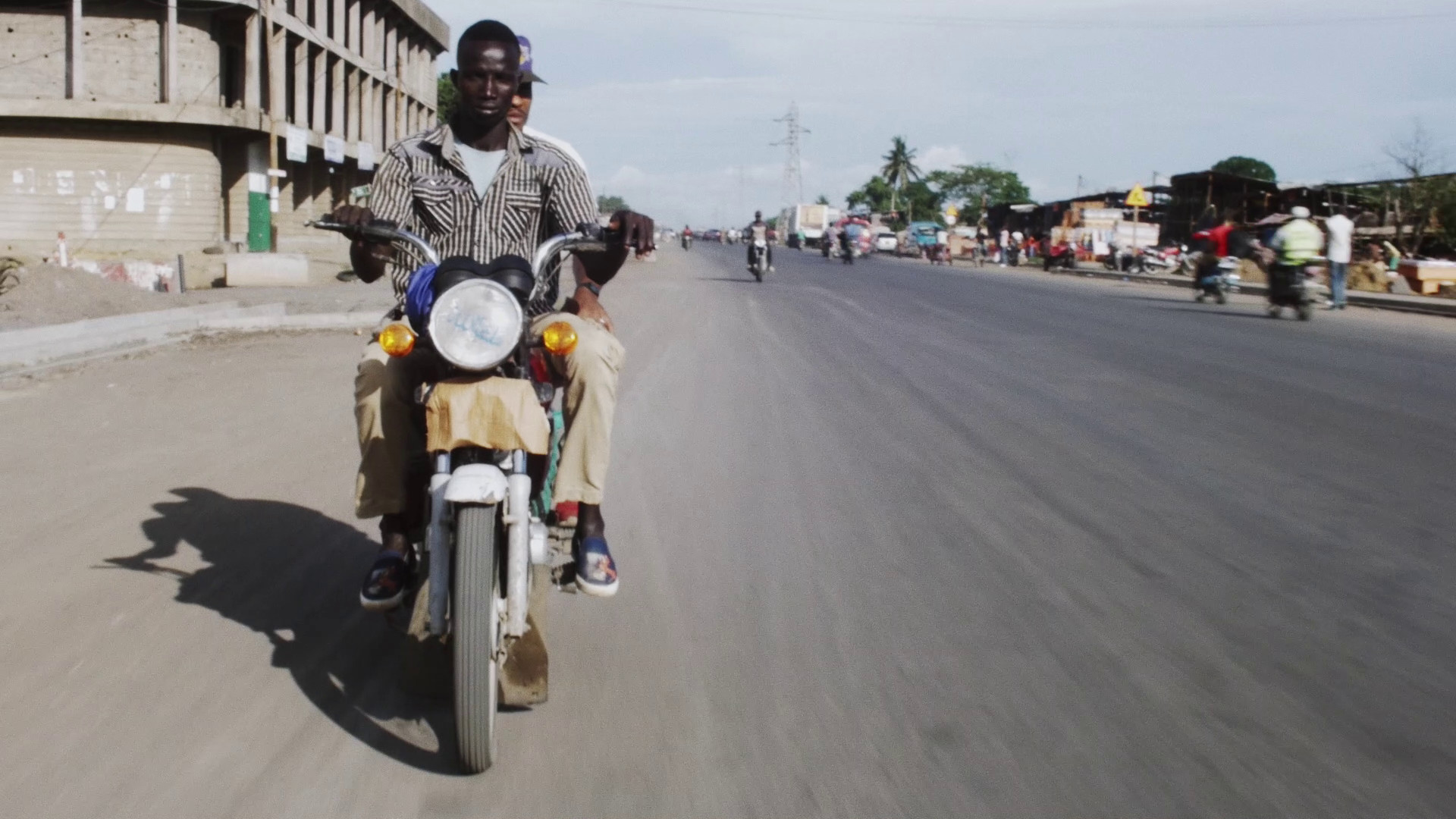
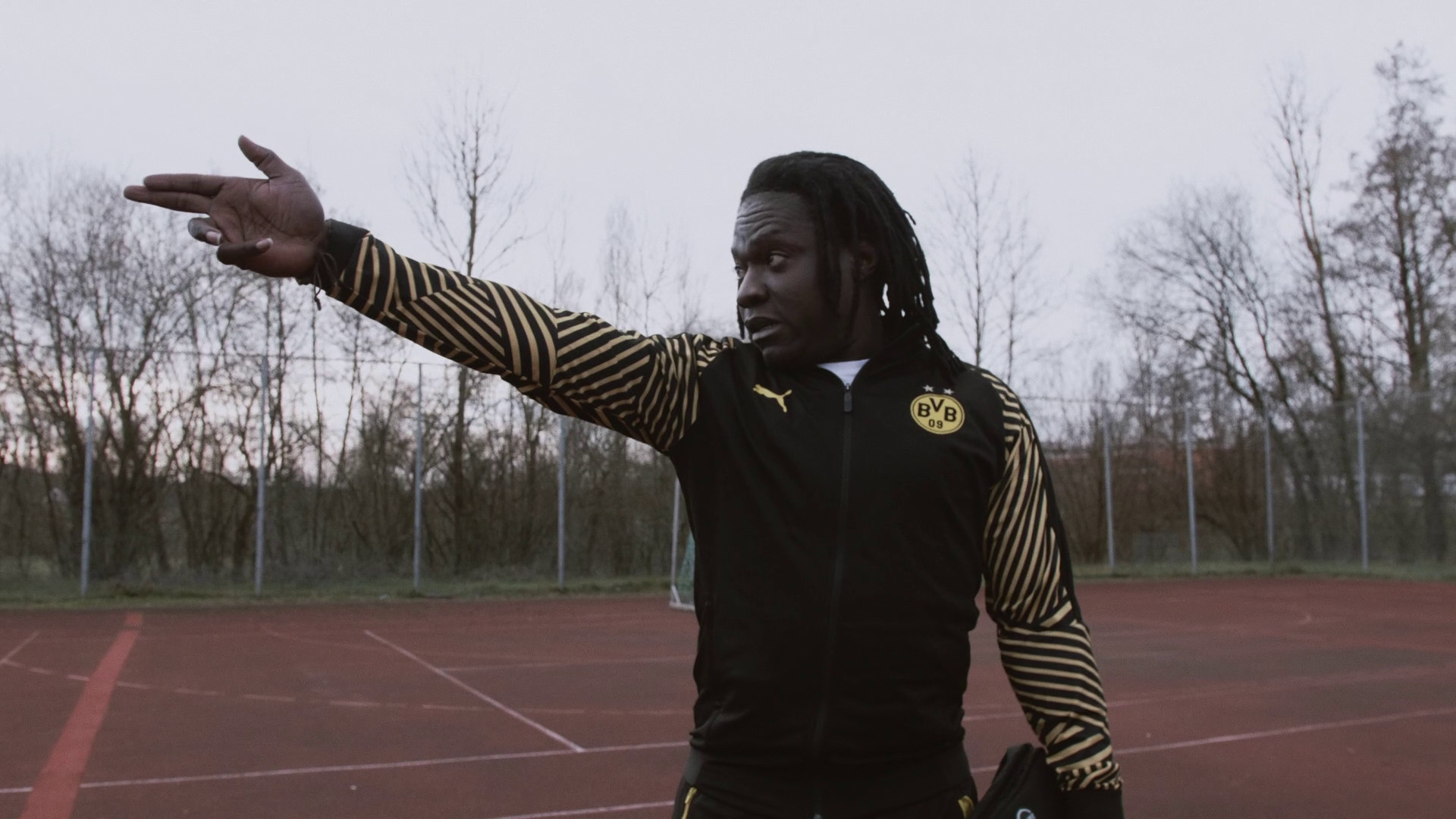
Two lives before and after returning to Cameroon. Romeo is disillusioned by Germany and wants to fly back home. Demian got deported and has been trying to return to Germany ever since. How do you manage to live between two worlds, in an unstable present and with an uncertain future?
Libertà
Bari, 2019. What does it mean to be free? Two homosexual migrants talk about their status of asylum seekers. Meanwhile, the effects of the new government’s migration policies are becoming tougher.
I am Afro Greek: Black portraiture in Greece
What’s in a nation, what constitutes a sense of belonging? Adérèmí has been researching in her work the role of language in self-determination and identity. This prompted her to embark on an inquiry in 2017 of the term Afro-Greek, a newly discussed term that, belatedly, followed similar forms of self-determination from other Afro-Europeans. In 2018 and before the global pandemic, Adéọlá Naomi Adérèmí, together with Jackie Abhulimen, interviewed several Afro-Greek citizens and denizens, discussing ideas of racism, identity, nation building and their views on the term itself, creating a film that the State of Concept was honoured to support.
“It is with great pleasure that we present this film to the public, in a time where discriminatory speech, racism, and xenophobia are rising in Greek society, and after two years of a global pandemic, that have augmented in European and global level sentiments of nationalism”. Kafilat Adeola Naomi Aderemi

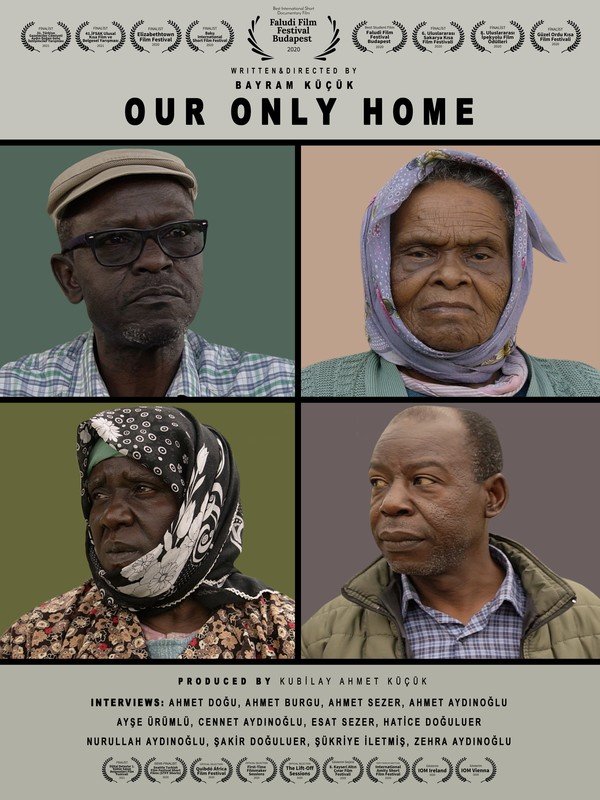
Our Only Home
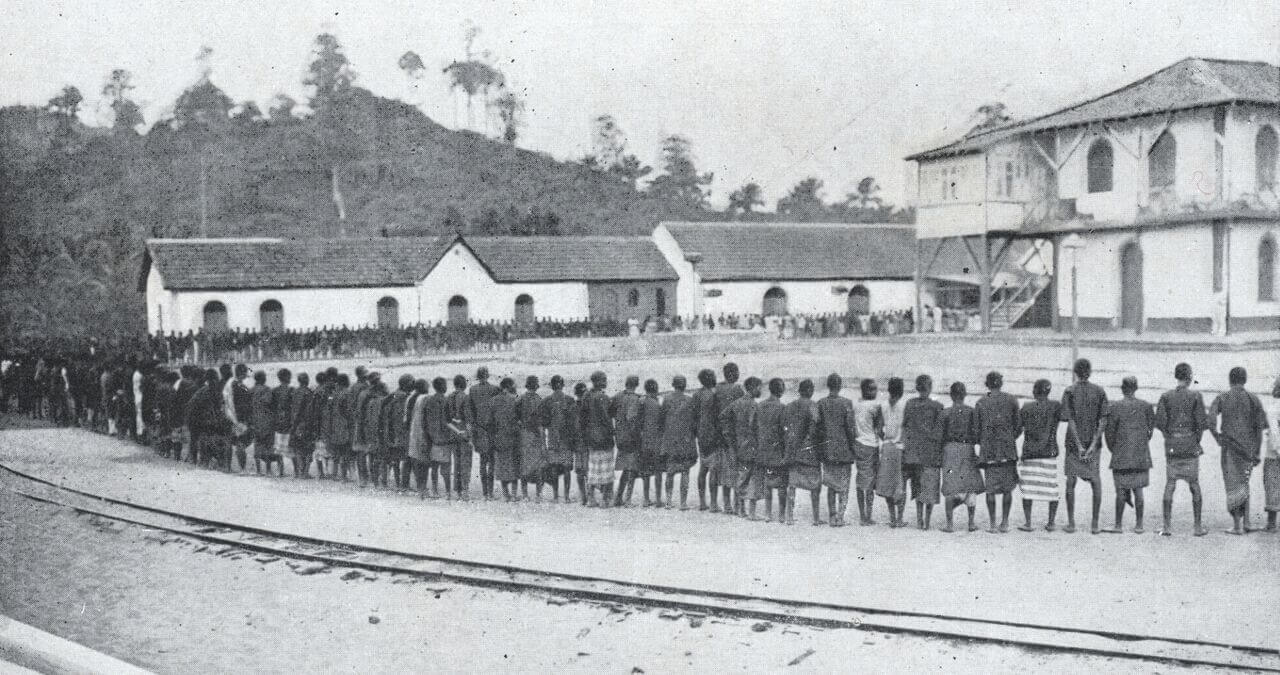
Afro Turks were brought to the Ottoman Empire as a labor force in farms earliest in the 15th and mostly in the 19th century from Africa.
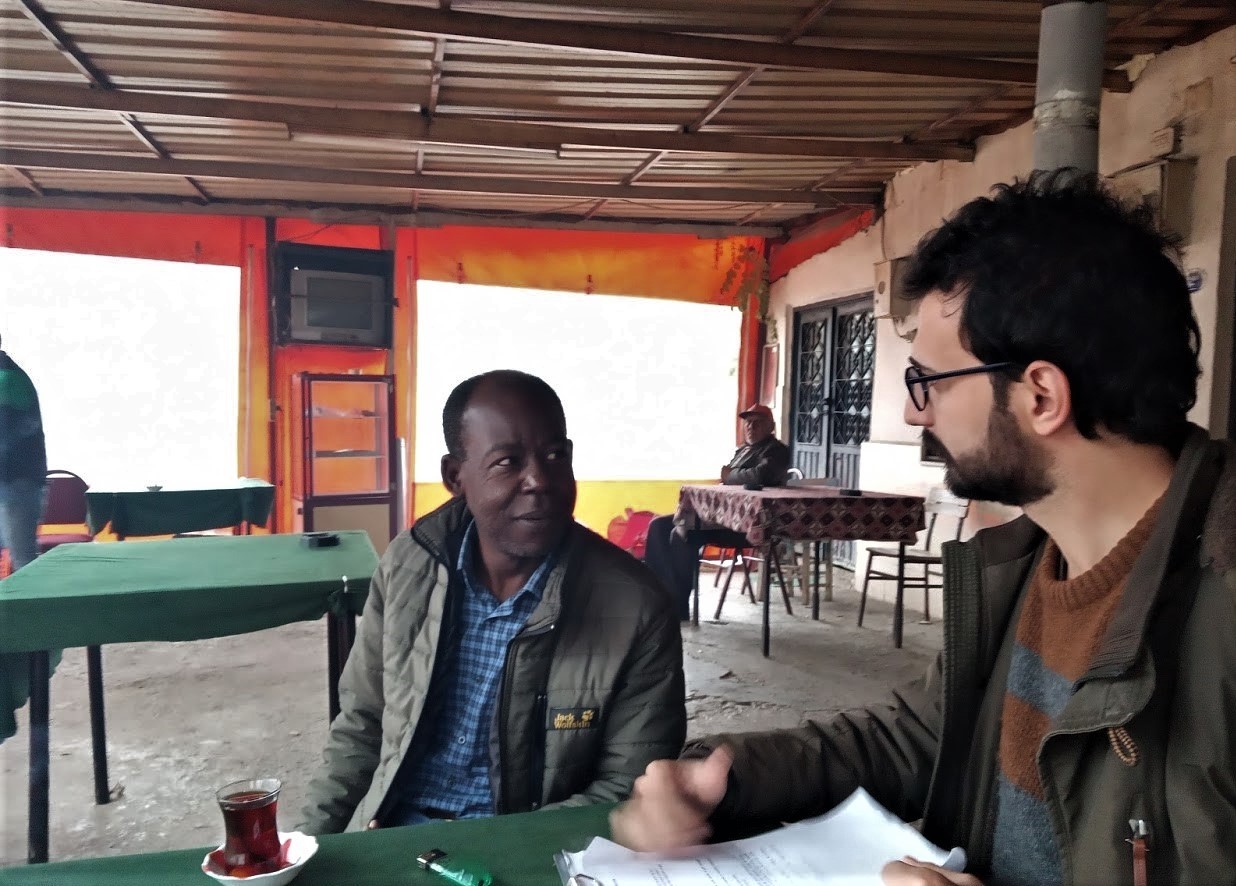
Afro Turks were employed as laborers in Aegean regions farms and placed in the countryside. Afro Turks received Turkish Citizenship after the proclamation of the republic and it is estimated to have a population of 5 to 10 thousands Afro Turks. The documentary covers the life experiences of Afro Turks, social difficulties, exclusion and racial discrimination. It presents the society’s perspective, daily experiences and memories.

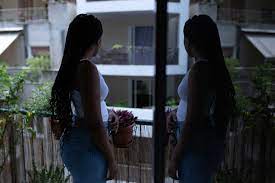
Beautiful
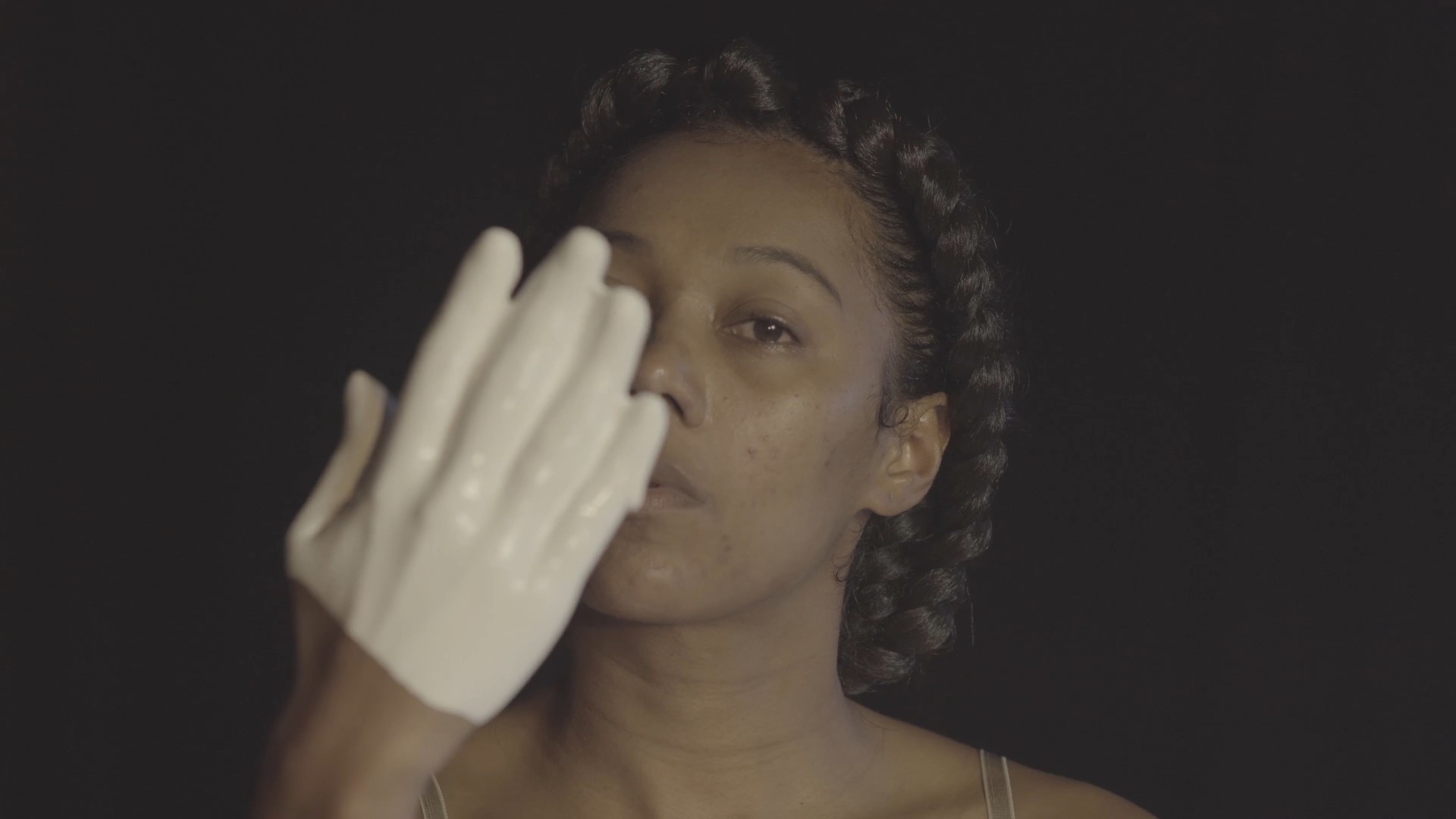
The documentary presents the experiences of three black women from different generations who are or have been crossed by the same feeling: the loneliness and solitude of black women.
The fruits of forgiveness
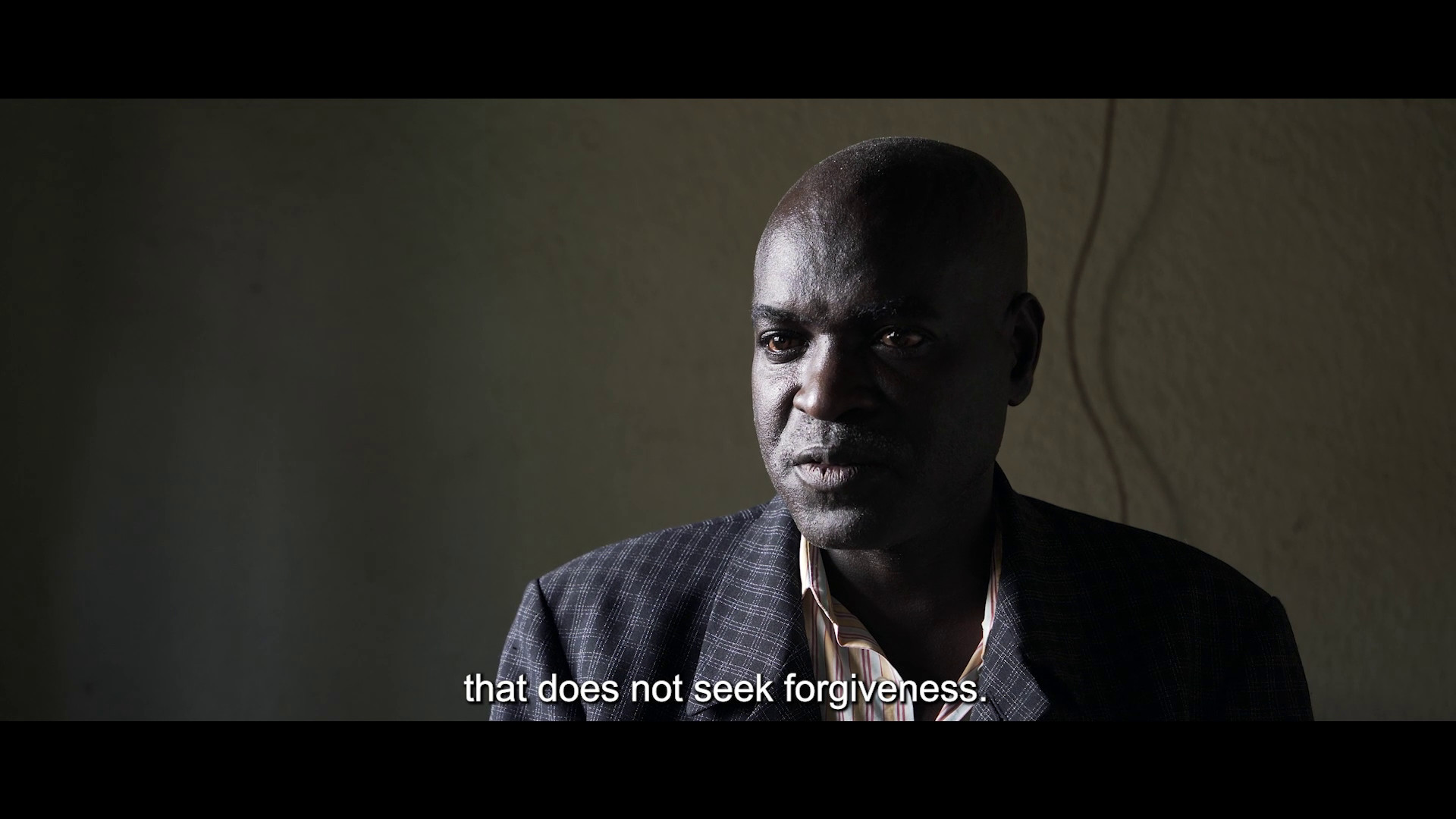
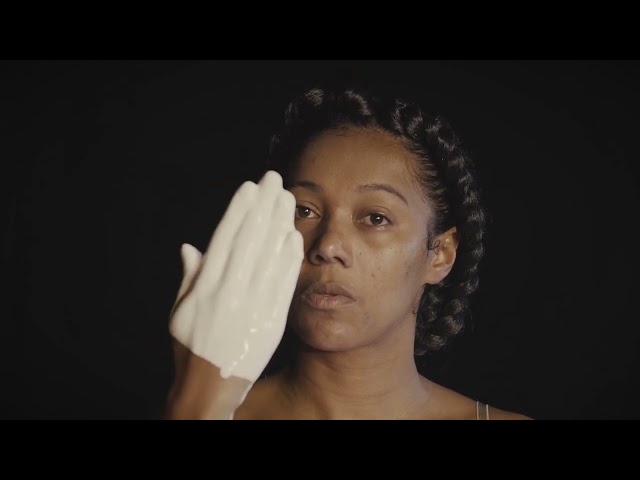
She was stabbed, beaten and left for dead but chose to forgive. During 1994 genocide against the Tutsis in Rwanda, A man named Ntambara; A Hutu perpetrator cut Claudette with a machete and stabbed her with a gun rod in her open shoulder wound, leaving her on the ground thinking she was dead. Claudette was lucky to survive the genocide, and for Ntambara, he served some time in prison for the genocide crimes he committed. After his release, he comes back a changed man and approaches Claudette to ask her for forgiveness. After Claudette forgave him, the two reconciled and are now friends who eat, drink and share good times together.
Mwana Pwo
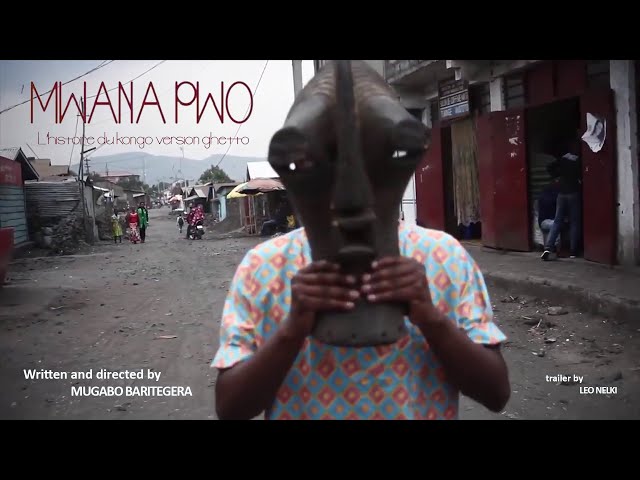
Mugabo Baritegera ‘s film rambles between the legacy of Colonialism in his country of DRC, and the present-day forms of colonialism which still persist there as NGOs and foreign aid workers. The film itself is decolonised in form, taking a street level view of his city and rejecting norms of documentary cinema in favour of more free-flowing discursive critique.
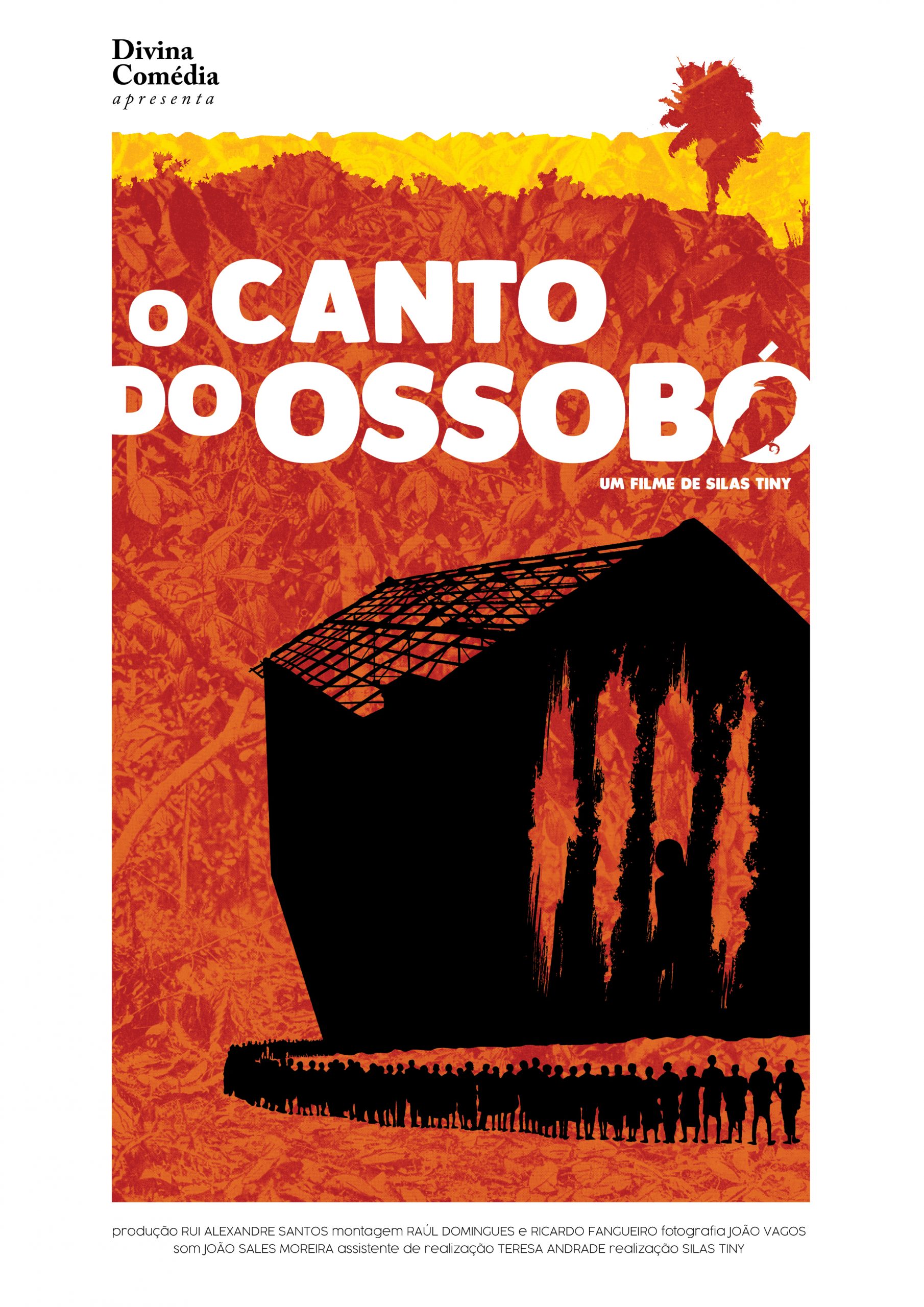
O Canto do Ossobó