The Village Resists
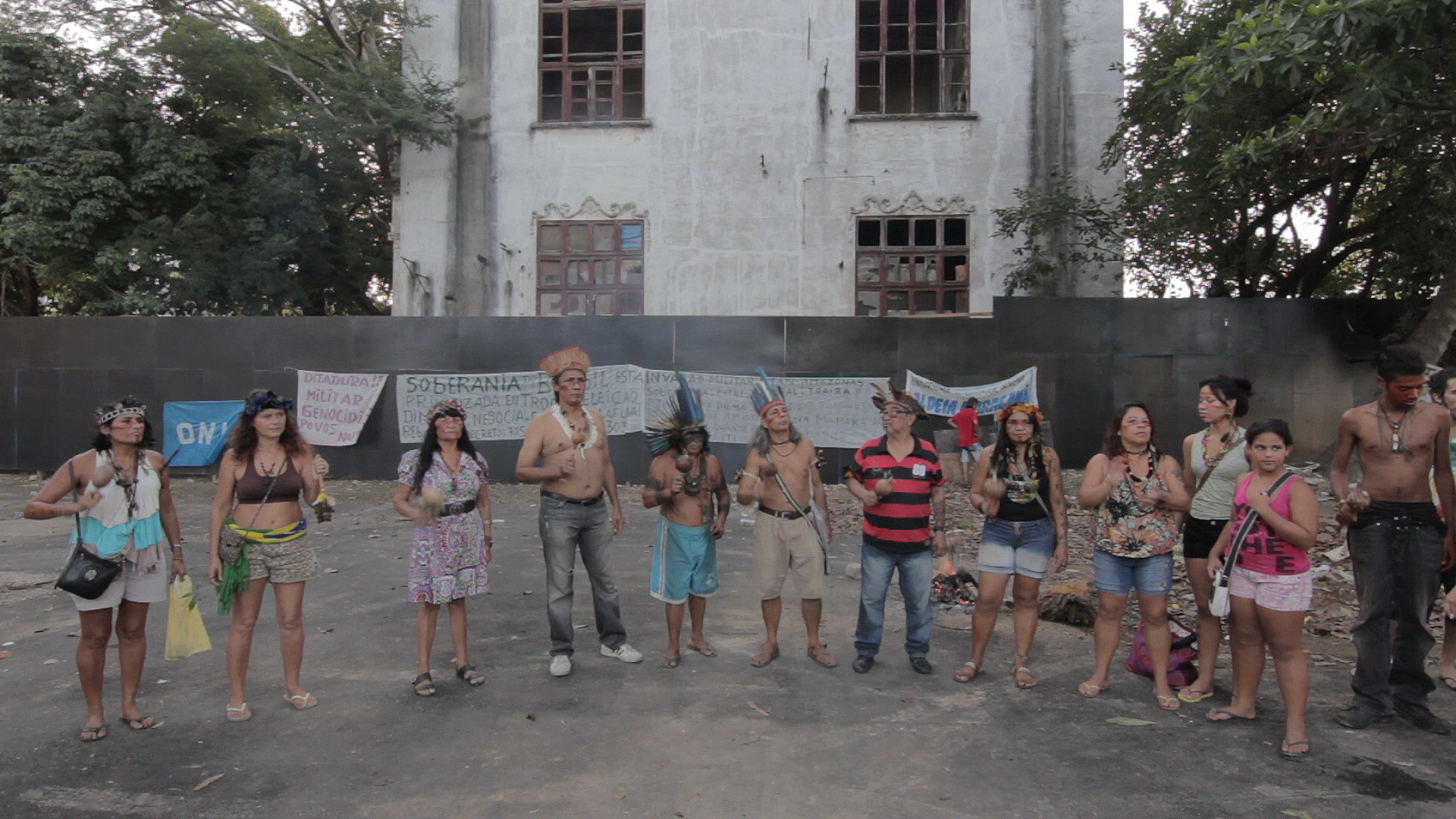
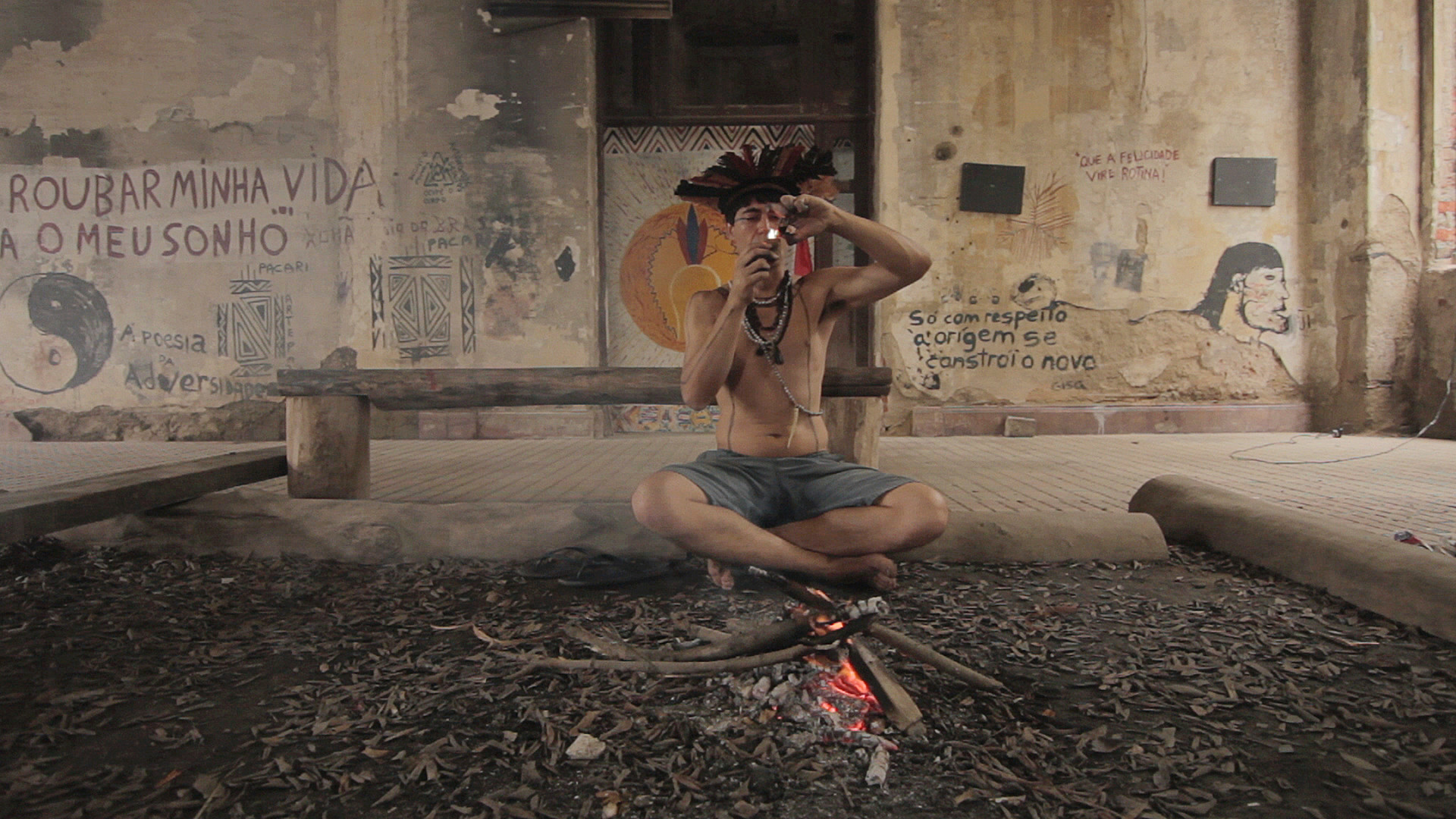
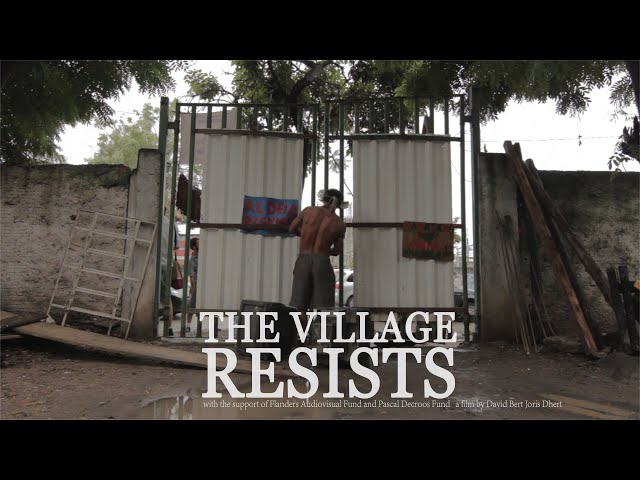
What happens when your ancestral land is claimed as an event zone for the two biggest sport events of the planet? Ahead of the World Cup and Olympic Games in Brazil, the Indigenous community of Rio de Janeiro is facing increased pressure. The group lives right next to the sports stadium that will stage the finals of both sports events. They wish to maintain their land as an Indigenous meeting place like it has been since the early 20th century, but that does not correspond with the plans of the Brazilian authorities. From within the Indigenous settlement, the film explores how the arrival of the sport events is experienced, how the pressure rises and how the village …resists.
David Bert Joris Dhert is a Belgian documentary filmmaker, researcher and visual artist working on the theme of Indigenous land conflicts and politics/ethics in the postcolonial and globalised context. Resulting from long term involvement and collaboration with communities, the creative output of a project is made to cross borders of disciplines, perspectives and ways of knowing. Doing so, it enables a broader understanding of past and present Indigenous realities, with the aim to inspire possible futures of reconciliation
Beans
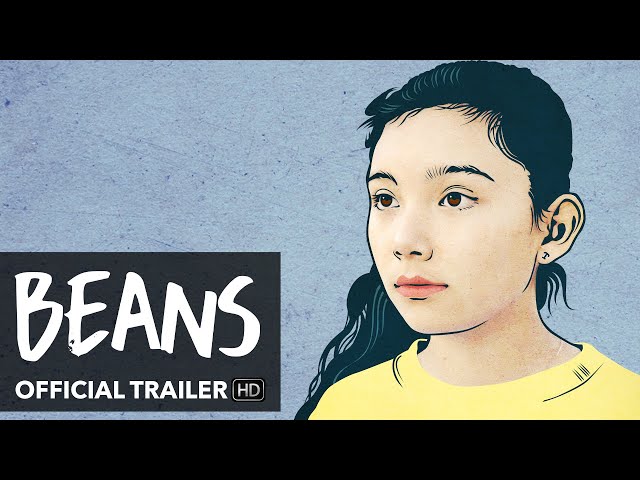
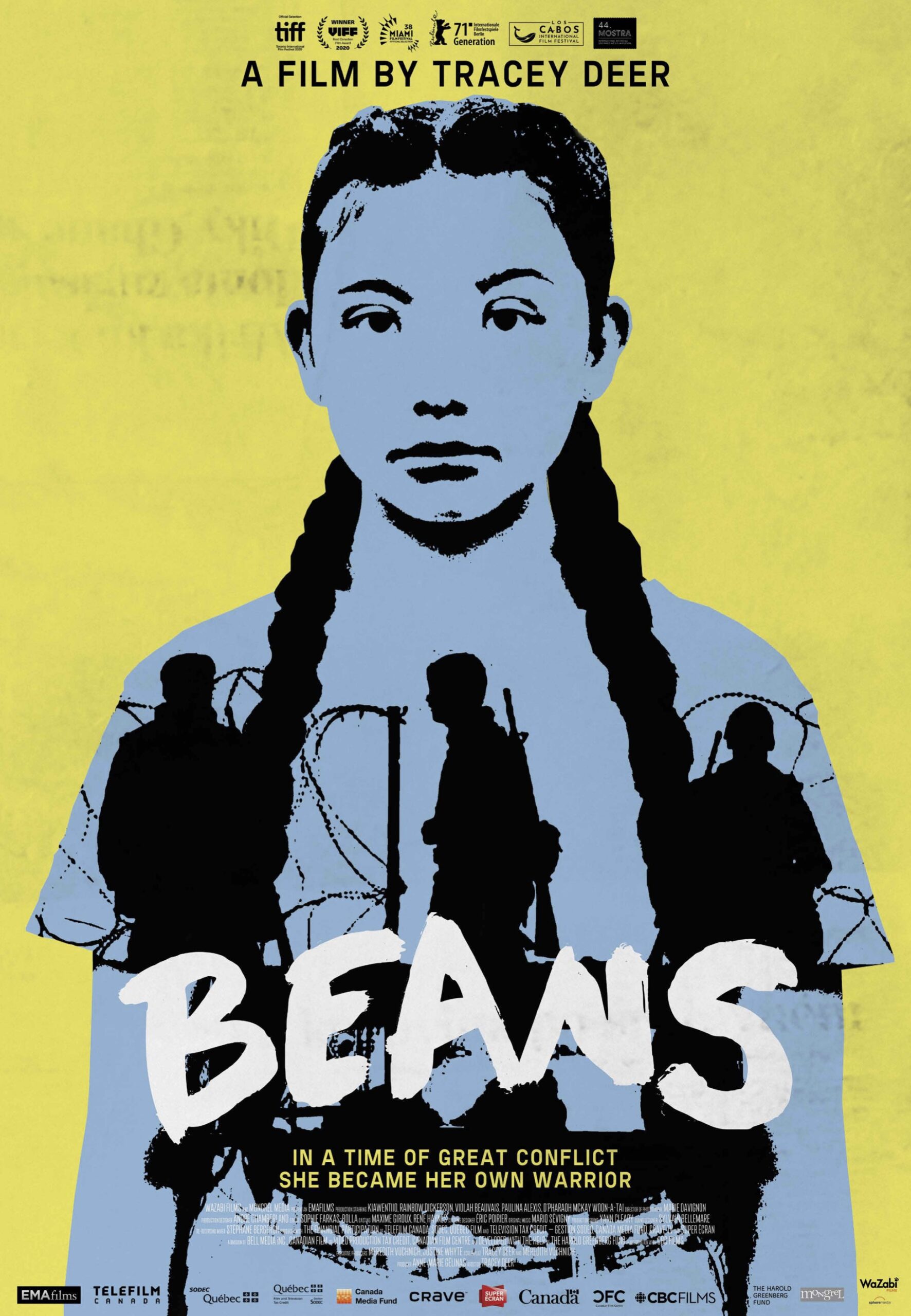
Twelve-year-old Beans is on the edge: torn between innocent childhood and reckless adolescence; forced to grow up fast and become the tough Mohawk warrior she needs to be during the Oka Crisis, the turbulent Indigenous uprising that tore Quebec and Canada apart for 78 tense days in the summer of 1990.
Mohawk filmmaker Tracey Deer led the acclaimed dramedy Mohawk Girls to five award-winning seasons as its co-creator, director, and co-showrunner. She received four consecutive Canadian Screen Award nominations for Best Direction in a Comedy Series for Mohawk Girls, and she has been honoured at TIFF with the Birks Diamond Tribute Award. Tracey’s debut narrative feature Beans, a coming-of-age story about a young Mohawk girl during the Oka Crisis that was inspired by her own experiences. She began production after returning from LA, where she was a writing co-EP on the Netflix/CBC series Anne with an E. Tracey chairs the Board of Directors of Women in View, a non-profit that promotes greater diversity and gender parity in Canadian media. She has mentored emerging talent as leader of the Director Training Program at the imagineNATIVE Film & Media Arts Festival, a guest at the National Screen Institute (NSI) New Indigenous Voices Program, and NSI’s new IndigiDocs training course.