Image Alt

VOICES OF AFRICA

Pi – Centre of movements, solidarity & culture Kampouroglou 44, Patisia | 20.11.2022 | 16:00 – 22:30 | Admission Free

From 16.00 till 21.00  there will be a collective kitchen from members of the United African Women Organization Greece.

From 19.00 – 19.45, there will be a discussion with members of the African community.

In 1884, 14 European countries organized a meeting in Berlin in order  to divide Africa into colonies and trade zones, drawing borders, in a land unknown to them, disregarding the cultural and linguistic boundaries already established by the native people of the continent.  In the 19th century industrialization in Europe required raw materials to be turned into marketable goods, therefore Europeans sought a source of raw materials but also a market for manufactured goods in Africa. In addition, ideologies of racial hierarchy were prevalent in Europe in the 19th century and many Europeans viewed themselves as the most advanced civilization in the world, while  some saw it as their mission to “enlighten” and “civilize” people in the rest of the world. Many inaccurate and racialized stereotypes of African peoples, which existed at the time, were used to justify colonialism in Africa. Civil wars, corruption, poverty, migration, lack of industrial and technological development, insufficient education and the suppression of African culture are some of the effects of colonialism in the continent.

As far as cinema is concerned, until independence, films in Africa were financed, directed and distributed by Europeans and Americans. It was only after independence in the 1960s that an independent, indigenous film industry was able to develop. During the colonial era Africans were depicted by Western film makers as exotic and wild and there was a total lack of interest in native African culture. However, France’s goal of assimilating colonial subjects in its colonies into French culture provided aspiring African film directors with opportunities to become involved in film production. After independence these film directors took the lead in African cinema. One of them, Ousmane Sembene, is seen as the father of African cinema and his 1963 ‘Borom Sarret’ is regarded as the first African film. Currently, collectives, institutes, initiatives and festivals in Africa are trying to promote African cinema, inside and outside of the continent, in order to  showcase their culture and talk about the social issues that are prevalent in their countries. The “Voices of Africa” is a collection of documentaries, from western and african or of african descent  filmmakers, that  aims to spread the voices of africans and african descendants,  to talk about their countries, their personal experiences, the stigma and the discriminations they face due to their origin, the effects of colonization and the drivers of migration.

Stolen Fish

Gosia Juszczak | Poland | 2020 | 30’ 00’’

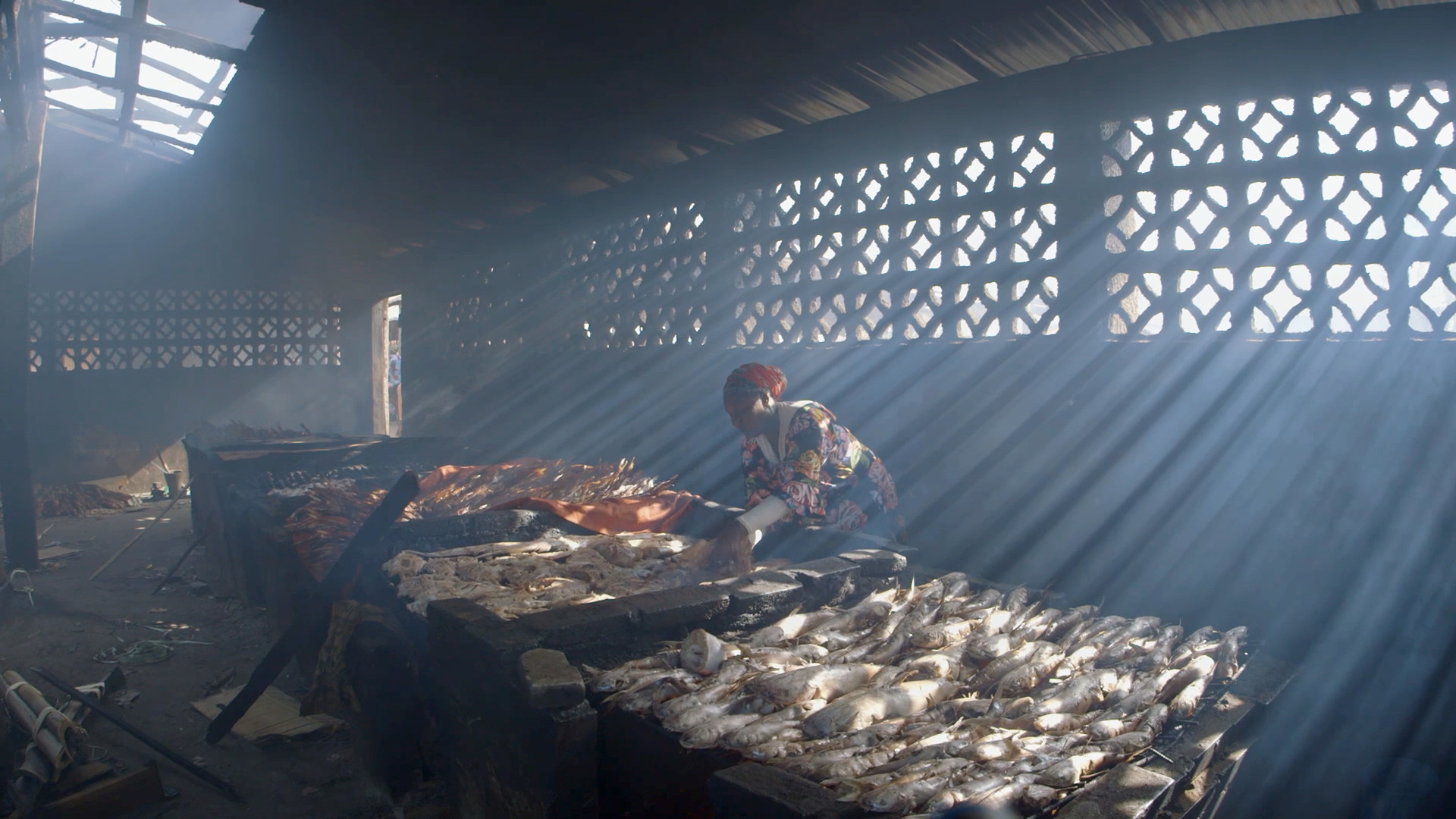
In the tiniest country of mainland Africa, The Gambia, fish is now being powered up by Chinese corporations and exported to Europe and China to feed animals in industrial farming. As a result, Gambians are being deprived of their primary source of protein and overfishing is depleting marine ecosystems. The film follows Abou, Mariama and Paul, three Gambians who share intimate stories of daily struggle, anger, hope and longing for their loved ones in the midst of difficult migration routes. The first film on Gambia’s fishmeal factories, offering a unique insight into untold drivers of migration and the role played by women in new economic systems.

Germany is a trampoline

Marc Sebastian Eils | Germany | 2021 | 28’ 00’’

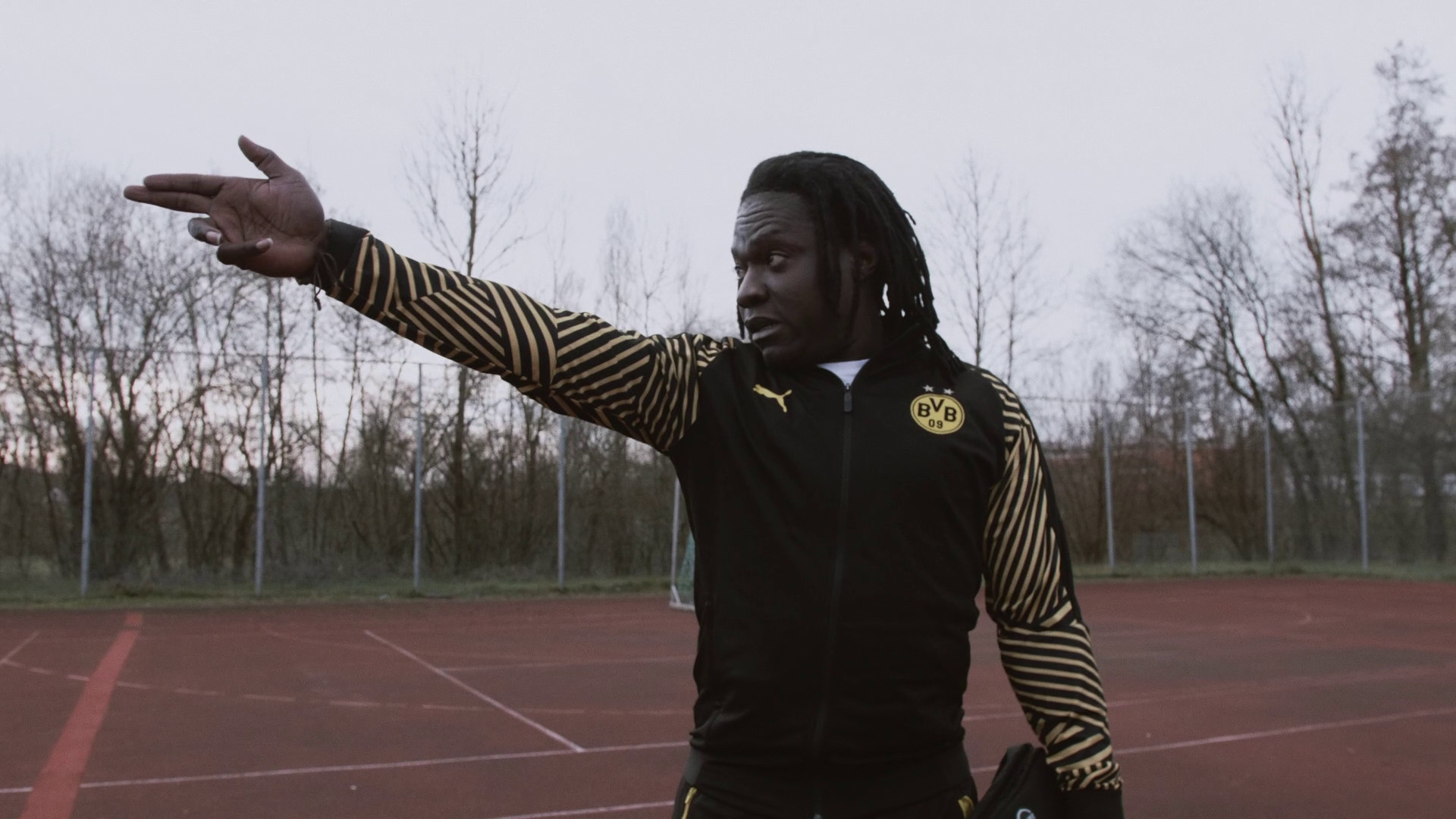
Two lives before and after returning to Cameroon. Romeo is disillusioned by Germany and wants to fly back home. Demian got deported and has been trying to return to Germany ever since. How do you manage to live between two worlds, in an unstable present and with an uncertain future?

Libertà

Savino Carbone | Italy | 2019 | 30’ 00”

Bari, 2019. What does it mean to be free? Two homosexual migrants talk about their status of asylum seekers. Meanwhile, the effects of the new government’s migration policies are becoming tougher.

I am Afro Greek: Black portraiture in Greece

Kafilat Adeola Naomi Aderemi | Greece| 2020 | 22’

What’s in a nation, what constitutes a sense of belonging? Adérèmí has been researching in her work the role of language in self-determination and identity. This prompted her to embark on an inquiry in 2017 of the term Afro-Greek, a newly discussed term that, belatedly, followed similar forms of self-determination from other Afro-Europeans. In 2018 and before the global pandemic, Adéọlá Naomi Adérèmí, together with Jackie Abhulimen, interviewed several Afro-Greek citizens and denizens, discussing ideas of racism, identity, nation building and their views on the term itself, creating a film that the State of Concept was honoured to support.


“It is with great pleasure that we present this film to the public, in a time where  discriminatory speech, racism, and xenophobia are rising in Greek society, and after two years of a global pandemic, that have augmented in European and global level sentiments of nationalism”. Kafilat Adeola Naomi Aderemi

Our Only Home

Bayram Küçük | Turkey | 2020 | 20’ 00"

Afro Turks were brought to the Ottoman Empire as a labor force in farms earliest in the 15th and mostly in the 19th century from Africa.
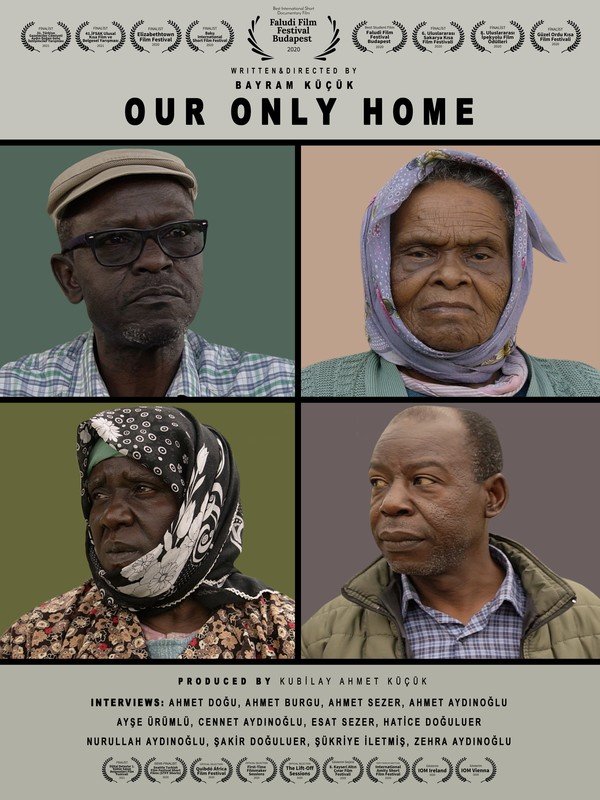
Afro Turks were employed as laborers in Aegean regions farms and  placed in the countryside. Afro Turks received Turkish Citizenship  after the proclamation of the republic and it is estimated to have a population of 5 to 10 thousands Afro Turks. The documentary covers the life experiences of Afro Turks, social difficulties, exclusion and racial discrimination. It presents the society’s perspective, daily experiences and memories.

Beautiful

Mariana França | Brazil | 2021 | 25’ 00’’

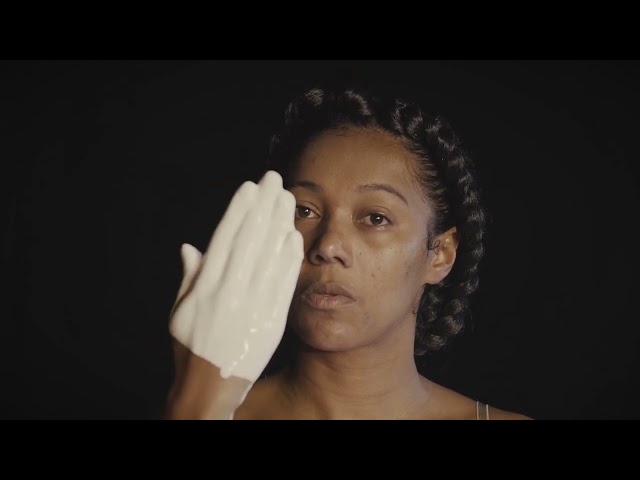
The documentary presents the experiences of three black women from different generations who are or have been crossed by the same feeling: the loneliness and solitude of black women.
The fruits of forgiveness

Gilbert Sibomana | Rwanda | 2022 | 10’ 02’’

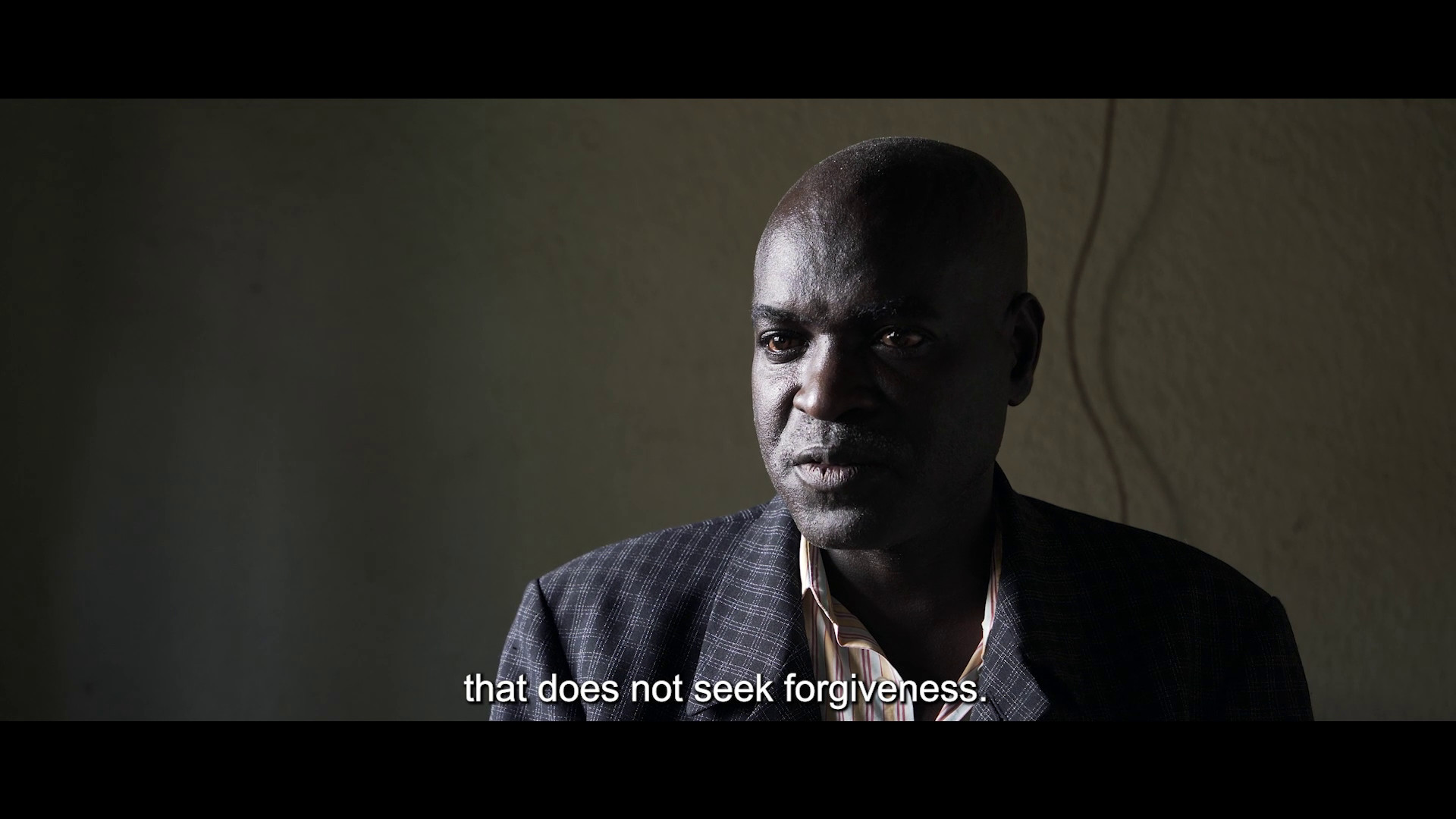
She was stabbed, beaten and left for dead but chose to forgive. During 1994 genocide against the Tutsis in Rwanda, A man named Ntambara; A Hutu perpetrator cut Claudette with a machete and stabbed her with a gun rod in her open shoulder wound, leaving her on the ground thinking she was dead. Claudette was lucky to survive the genocide, and for Ntambara, he served some time in prison for the genocide crimes he committed. After his release, he comes back a changed man and approaches Claudette to ask her for forgiveness. After Claudette forgave him, the two reconciled and are now friends who eat, drink and share good times together.

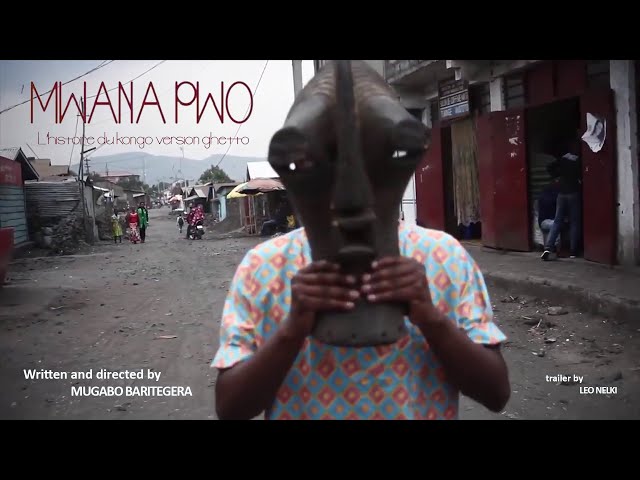
Mwana Pwo

Mugabo Baritegera | The Democratic Republic of the  Congo | 2022 | 56’ 42’’

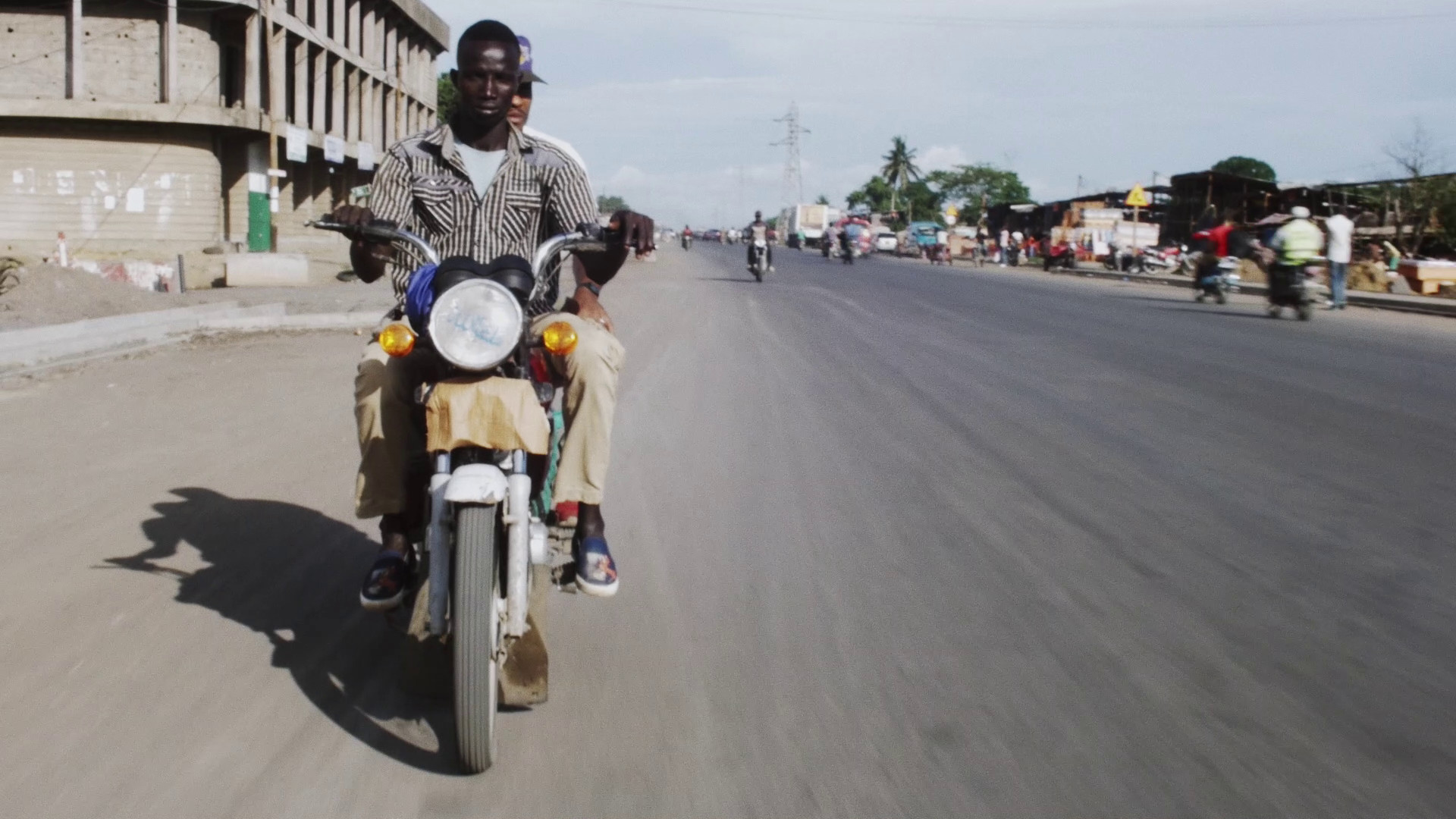
Mugabo Baritegera ‘s film rambles between the legacy of Colonialism in his country of DRC, and the present-day forms of colonialism which still persist there as NGOs and foreign aid workers. The film itself is decolonised in form, taking a street level view of his city and rejecting norms of documentary cinema in favour of more free-flowing discursive critique.
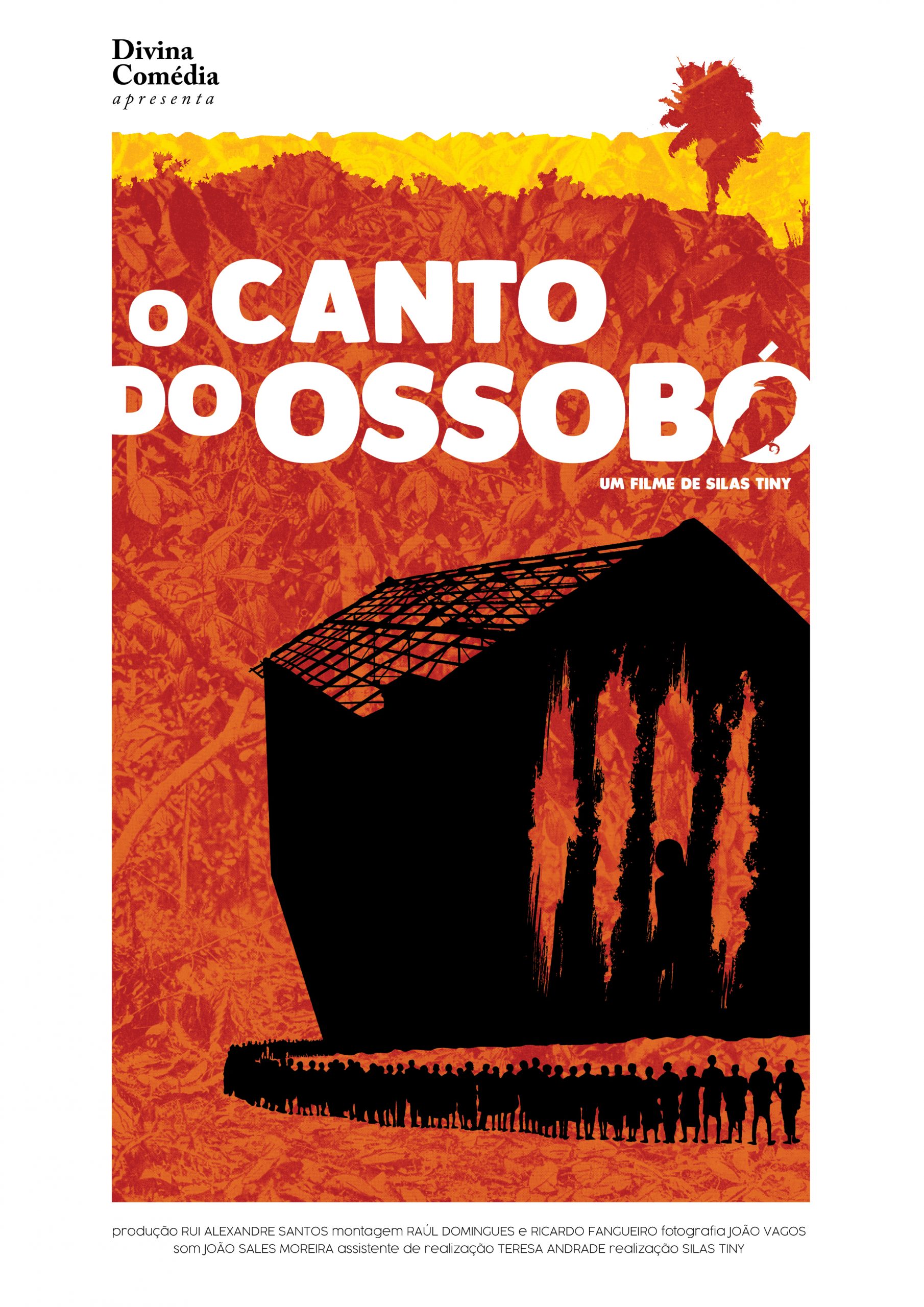
O Canto do Ossobó
Silas Tiny | Sao Tome e Principe | 2017 | 99’ 

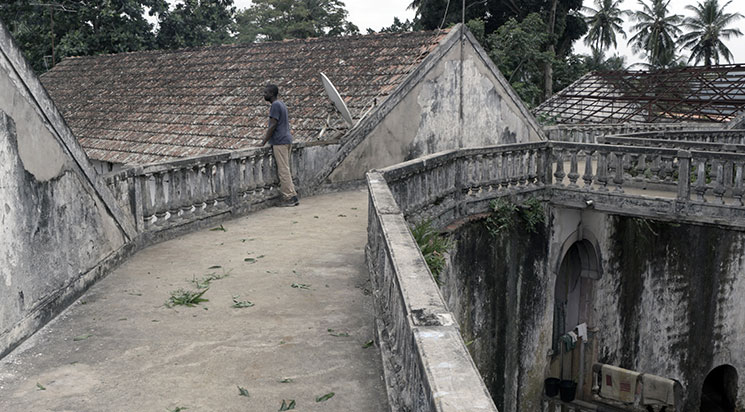
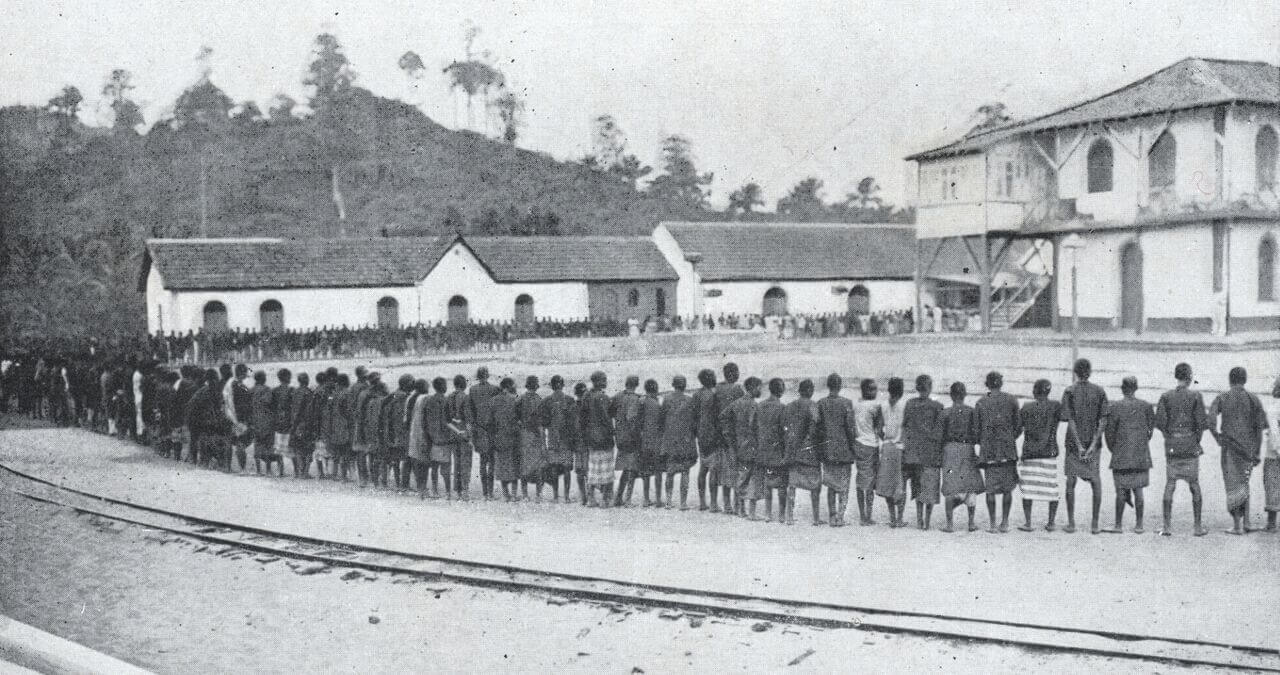
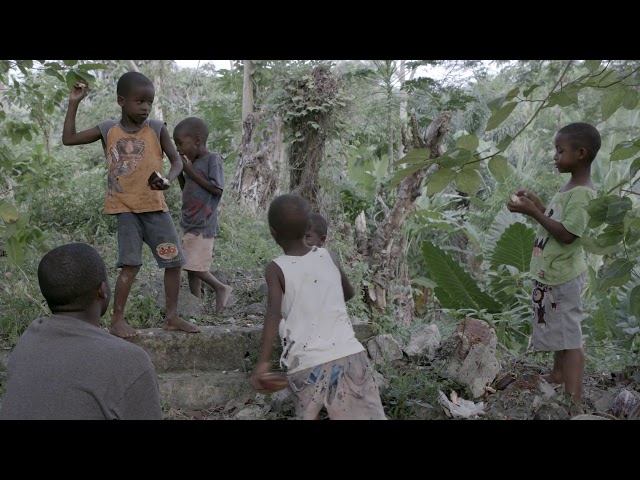
In the middle of the Atlantic, off the equatorial western African coast lies Sao Tomé, a small archipelago discovered by Portuguese sailors. Originally unpopulated, the colony grew as a major slave trade platform between Sub-Saharan Africa and the Americas, while also growing as a main cocoa and coffee producer through plantations structures imported from Brazil called Roças. In 1876, slavery is abolished all over the Portuguese empire while labour at the plantations is replaced by a paid forced labour system that would last until the collapse of Portuguese colonial rule in 1974. Populated over the centuries by slaves and labourers from other Portuguese African colonies – Angola, Mozambique, Cape Verde – San Tomeans inherited poverty and alienation, finding belonging in the legends of their ancestors. Song of Ossobó, the lamentation chant of the unrooted bird, is one of them. The film features today’s life in Roças Rio do Ouro and Água-Izé, which were among the largest cocoa plantations in São Tomé and Príncipe, combined with archive footage commissioned by the Portuguese dictatorial regime and personal family videos shot by the director’s father in visits to Sao Tome after immigrating to Portugal.

Born in Sao Tome in 1982, Silas Tiny emigrates with his family to Portugal.
Before completing film directing studies at the National Film School in Lisbon, Silas directs his first feature documentary Bafatá Film Club (2011) shot in Bafatá, Guinea-Bissau, centered on an idle film theatre and his former projectionist Canjajá relating to the village’s frenetic past during the struggle for independence. In 2017, Silas launches Song of Ossobó, shot in his native island Sao Tomé this is a family journey through amateur archive in dialogue with contemporary life in the two main former cocoa plantations in the island.
Equatorial Constellations (2021) is his third feature documentary treating the Biafra Sao Tomé – Airlift, which saved up to a million children from annihilation during the Nigeria Civil War.
Silas has been present and guest at several film workshops and residences, as well as in seminaries and as jury in film festivals such as DocLisboa; his next projects are: Boa Viagem, Abismo (Have a Nice trip, Abyss) an art documentary on memory of slavery recipient of the New Creator’s Award of the Calouste Gulbenkian Foundation and his first feature fiction film, The Last Days of the King, the true story of Amador, a crowned king of a slave rebellion in a sugar plantation in Sao Tome in the 17th centu